 01
Illustrative visual
Cable aging
UV exposure, heat and mechanical stress can weaken insulation over time.

Smart O&M / Electrical fire safety
Detect risks. Protect critical nodes. Preserve long-term asset value with a practical, layered approach to electrical fire safety.
Request a risk assessmentConceptual fire-safety illustration
01 / Identify
Small electrical defects can become major operational risks. Start with the plant's most vulnerable connection points.
01
UV exposure, heat and mechanical stress can weaken insulation over time.
 02
Loose or damaged terminations can cause localized heating and electrical arcing.
 03
Multiple circuits and confined spaces make connection quality and enclosure condition critical.
 04
Power electronics, terminals and outdoor exposure require regular inspection and care.
02 / Prevent
From site inspection to product selection, protection is designed around the real conditions of your plant.
Review inspection findings, equipment condition and environmental exposure to locate priority electrical nodes.
Combine maintenance, connection insulation and localized passive fire protection in a site-specific plan.
Match products to enclosure volume, electrical ratings and installation requirements, then plan ongoing checks.
A complementary safety layer, alongside correct installation, scheduled maintenance and site emergency procedures.
03 / Protect
Two complementary product families for localized fire suppression and connection insulation.
 F301
F301 / Passive safety
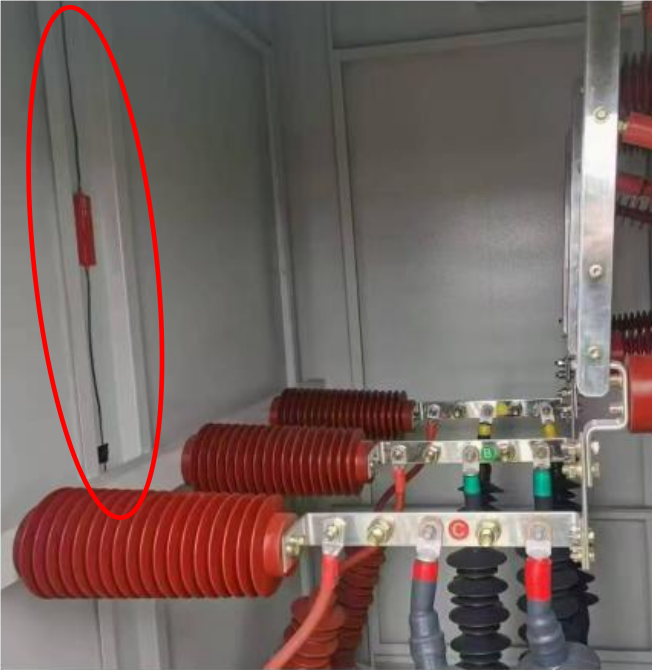
Temperature-triggered, localized fire suppression for suitable enclosed electrical spaces. No external power supply is required.
Ultra-thin profile: 10 mm or less / Trigger temperature: 160-185 C
View product details for F301 Y1065
Y1065 / Passive safety
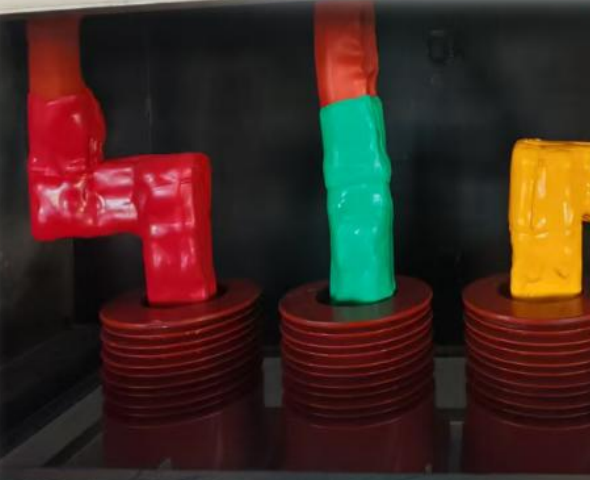
Self-fusing silicone rubber forms a continuous protective sheath around suitable power connections, combining electrical insulation and waterproof sealing.
For applications up to 35 kV / IP68 sealing / V-1 flame retardancy
View product details for Y1065Specifications are based on current product information. Suitability, installation method and performance depend on application conditions; confirm the final configuration with our technical team.
04 / Apply
Build protection into the electrical nodes that matter most, from PV combiner boxes to inverter cabinets and associated power connections.
Start with your site
Tell us about your site, operating conditions and current concerns. Our team will help define the next steps.
Tell us about your plant, electrical equipment and safety concerns. Our team will review your requirements and discuss a suitable assessment and protection approach.
Assessment scope, site visits and any associated fees are confirmed with you before work begins.